


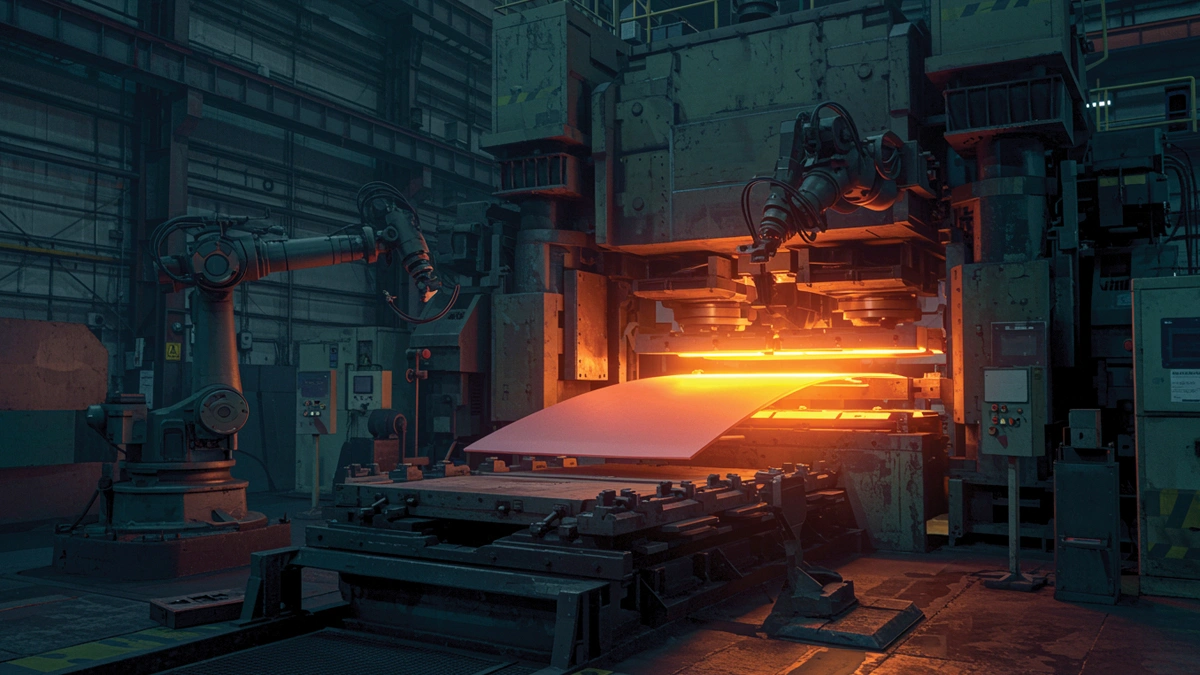
The evolution of modern engineering is increasingly defined by the use of exotic materials—advanced alloys and composites engineered to perform under extreme conditions. From aerospace turbines and nuclear reactors to medical implants and high-performance automotive systems, these materials offer unmatched strength, heat resistance, corrosion resistance, and weight advantages. However, their superior properties also make them notoriously difficult to form. This has elevated metal forming from a conventional manufacturing process to a highly specialized discipline—one that blends material science, precision engineering, and advanced process control.
Understanding Exotic Materials
Exotic materials typically refer to high-performance alloys and metals that exhibit exceptional mechanical and thermal properties. These include:
- Titanium and its alloys: Known for high strength-to-weight ratio and corrosion resistance.
- Nickel-based superalloys (e.g., Inconel): Used in high-temperature environments such as jet engines.
- Magnesium alloys: Lightweight materials gaining traction in automotive and aerospace sectors.
- High-strength steels (AHSS and UHSS): Widely used in modern vehicle structures.
- Refractory metals (e.g., tungsten, molybdenum): Capable of withstanding extreme temperatures.
While these materials unlock new possibilities in design and performance, they present formidable challenges in forming due to high strength, low ductility, and sensitivity to temperature and strain rates.
Challenges in Forming Exotic Materials
Metal forming relies on the ability of a material to deform plastically without failure. Exotic materials, however, often resist deformation, leading to issues such as:
- High Forming Loads: Greater force is required to shape these materials, demanding robust equipment.
- Limited Ductility: Increased risk of cracking, especially at room temperature.
- Springback: High elastic recovery complicates dimensional accuracy.
- Tool Wear: Abrasive and hard materials accelerate tool degradation.
- Thermal Sensitivity: Many exotic materials require precise temperature control during forming.
These challenges necessitate advanced forming techniques and specialized tooling strategies.
Advanced Forming Techniques
A. Hot and Warm Forming
Elevating the temperature of exotic materials improves their ductility and reduces forming forces. Hot forming is widely used for titanium and superalloys, while warm forming is often applied to high-strength steels. Controlled heating ensures uniform deformation and minimizes defects.
B. Superplastic Forming (SPF)
This technique allows certain materials, particularly titanium alloys, to undergo extremely high elongation at elevated temperatures. SPF is ideal for producing complex, lightweight aerospace components with minimal residual stress.
C. Isothermal Forging
In this process, both the workpiece and dies are maintained at the same temperature, reducing thermal gradients and improving material flow. It is particularly effective for nickel-based superalloys.
D. Incremental Forming
A flexible process where a tool incrementally deforms the material without the need for dedicated dies. This is useful for low-volume, high-complexity parts.
E. Hydroforming
Using high-pressure fluids to shape metal, hydroforming is effective for forming complex geometries while maintaining uniform thickness—especially in lightweight alloys.
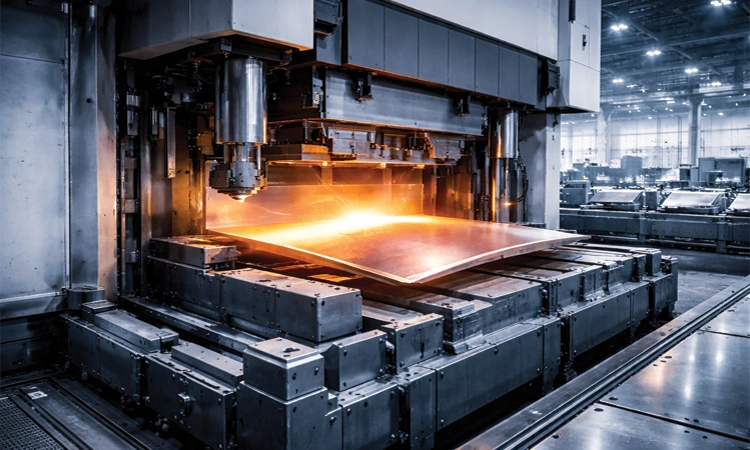
Tooling: The Critical Enabler
Tooling plays a pivotal role in forming exotic materials. Conventional tool steels often fall short under the extreme conditions required. As a result, advanced tooling solutions are employed:
- High-Performance Tool Materials: Carbides, ceramics, and coated tool steels enhance wear resistance.
- Thermal Management: Tools are often designed with cooling or heating systems to maintain optimal temperatures.
- Surface Coatings: Advanced coatings reduce friction and prevent material adhesion.
- Precision Engineering: Tight tolerances in tooling design are essential to manage springback and ensure accuracy.
The cost and complexity of tooling for exotic materials are significantly higher, making design optimization and lifecycle management critical.
Automation and Digitalization
The forming of exotic materials is increasingly driven by digital technologies. Simulation software allows engineers to model material behavior under various conditions, optimizing process parameters before actual production. This reduces trial-and-error and material wastage.
Sensors embedded in forming equipment provide real-time data on temperature, force, and deformation, enabling precise control. Integration with Industry 4.0 frameworks allows for predictive maintenance, process optimization, and enhanced traceability.
Robotics and automation further improve consistency and safety, particularly in high-temperature forming environments.
Applications: Where Performance Matters Most
- Aerospace
Exotic materials are indispensable in aerospace applications. Components such as turbine blades, structural panels, and engine casings rely on advanced forming techniques to achieve the required performance characteristics.
- Automotive
The push for lightweighting and fuel efficiency has led to increased use of high-strength steels, aluminum, and magnesium alloys. Forming these materials enables the production of safer and more efficient vehicles.
- Energy and Power
In sectors such as nuclear and renewable energy, exotic materials are used for their resistance to heat and corrosion. Forming processes must ensure structural integrity under extreme operating conditions.
- Medical Devices
Titanium and other biocompatible materials are used in implants and surgical instruments. Precision forming ensures the reliability and safety of these critical components.
Sustainability Considerations
While exotic materials offer performance benefits, their processing can be energy-intensive. Advanced forming techniques aim to improve material utilization and reduce waste. Near-net shape forming minimizes the need for extensive machining, conserving both material and energy.
Recycling and reuse of high-value materials are also gaining importance, driven by both economic and environmental considerations.
The Road Ahead
The future of metal forming for exotic materials lies in deeper integration of material science and digital technologies. Artificial intelligence and machine learning are expected to play a significant role in predicting material behavior and optimizing processes in real time.
Hybrid manufacturing approaches, combining forming with additive manufacturing, may unlock new design possibilities. Additionally, advancements in tooling materials and coatings will further enhance process efficiency and tool life.
As industries continue to push the boundaries of performance, the demand for exotic materials—and the capability to form them—will only grow.
Conclusion
Exotic materials are redefining what is possible in engineering, and metal forming is the key to unlocking their potential. The challenges they present are significant, but so are the rewards. Through innovation in processes, tooling, and digital technologies, manufacturers are transforming these difficult-to-handle materials into high-performance components that power the modern world.
In this dynamic interplay between material and process, metal forming emerges not just as a manufacturing step, but as a critical enabler of technological advancement.