




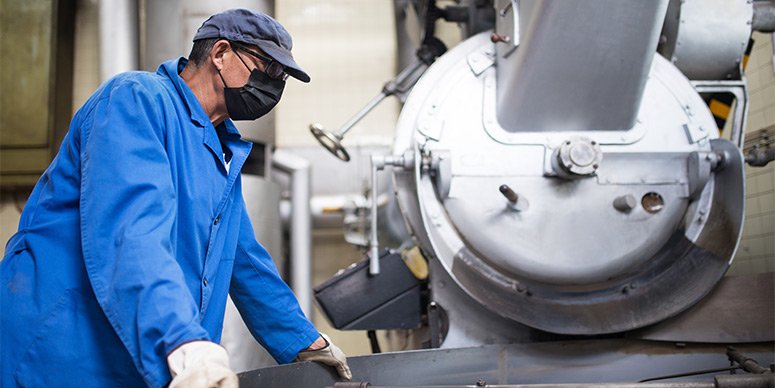
In the ever-evolving field of metal forming and fabrication, hydroforming has emerged as a transformative process, especially for creating lightweight, strong, and geometrically complex components. This innovative technique, which uses fluid pressure to shape ductile metals into desired forms, offers a compelling alternative to traditional stamping or welding, and finds wide application in the automotive, aerospace, bicycle, and appliance industries. Understanding its principles, benefits, variations, and use-cases helps illuminate why hydroforming continues to gain prominence across industrial sectors.
Understanding the Hydroforming Process
At its core, hydroforming is a metal forming process that employs a high-pressure hydraulic fluid to press room temperature working material into a die. This process replaces the use of mechanical force with fluid pressure, allowing for more uniform and intricate shaping.
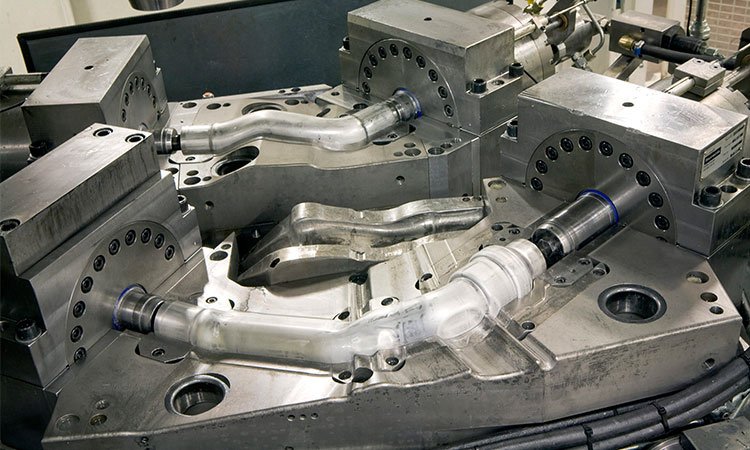
There are two primary types of hydroforming processes: tube hydroforming and sheet hydroforming. In tube hydroforming, a metal tube is placed inside a die, and fluid pressure is applied internally, causing the tube to expand and take the shape of the die cavity. In sheet hydroforming, a sheet of metal is formed over a die using a flexible diaphragm and pressurized fluid from one side.
The materials typically used in hydroforming include aluminium, brass, steel, stainless steel, copper, and titanium—all ductile enough to deform under fluid pressure without cracking.
Advantages of Hydroforming over Traditional Methods
Hydroforming offers a host of advantages that make it an attractive manufacturing process:
a) Enhanced Design Flexibility: Hydroforming allows for the creation of complex and contoured shapes that would be difficult or impossible with conventional stamping or welding. This makes it ideal for components with intricate geometries, undercuts, and non-uniform cross-sections.
b) Improved Structural Integrity: Because hydroforming can create seamless parts with fewer welds, it enhances the strength-to-weight ratio and reduces weak points in the structure.
c) Material Efficiency: Hydroforming maximizes material usage by thinning the metal in a controlled and uniform manner, leading to lower scrap rates and reduced costs.
d) Weight Reduction: Especially relevant in automotive and aerospace sectors, hydroforming supports the trend towards lighter structures without compromising strength.
e) Superior Surface Finish: The process results in smoother surfaces, which often eliminates or reduces the need for secondary finishing operations.
Types of Hydroforming: Tube vs. Sheet
Tube Hydroforming is perhaps the most commonly used variant, particularly in the automotive industry. A round tube is clamped into a die and then internally pressurized while being simultaneously axially compressed. This combination of internal pressure and axial feed enables the tube to expand uniformly and fill the die contours.
Sheet Hydroforming, on the other hand, involves clamping a blank sheet over a male die and using fluid pressure to form it into the die cavity. A flexible rubber diaphragm or bladder is typically used to apply pressure on one side of the sheet, pushing it into
the die.
While tube hydroforming is preferred for hollow components like exhaust systems, frames, and chassis members, sheet hydroforming is used for deep-drawn components such as sink basins, hoods, and aircraft panels.
Applications in Key Industries
Hydroforming’s capabilities are particularly well suited for industries that require lightweight, strong, and precise metal components. Here are some of the key sectors benefiting from hydroforming:
1. Automotive Industry:
Hydroforming has become a mainstay in automotive manufacturing, especially in the production of chassis components, engine cradles, exhaust parts, and body structures. By reducing the number of parts and welds required, hydroforming helps automotive manufacturers enhance crashworthiness while reducing vehicle weight and improving fuel efficiency. The technique has enabled the creation of complex underbody frames and supports that are difficult to manufacture using traditional methods.
2. Aerospace and Aviation:
The aerospace industry has increasingly adopted hydroforming due to its ability to form complex, lightweight components without compromising on strength. Components like structural bulkheads, fuselage panels, and engine brackets are commonly formed using sheet hydroforming. The seamless construction enabled by hydroforming is ideal for maintaining structural integrity in pressurized environments.
3. Bicycles and Sporting Goods:
Many modern high-performance bicycle frames are manufactured using hydroformed aluminium or titanium tubing. The process allows for aerodynamic shaping and weight optimization, which are critical for competitive cycling. Similarly, hydroformed components find use in sports equipment, where weight and performance are key factors.
4. Consumer Appliances:
In the white goods industry, hydroforming is used to create smooth, contoured shapes for washing machine drums, kitchen sinks, and decorative stainless steel panels.
The superior surface finish and reduced need for welding or fasteners make hydroforming an ideal choice for appliances that demand both functionality and aesthetics.
5. Medical Devices:
Precision, smoothness, and strength are crucial in medical device manufacturing. Hydroforming facilitates the production of seamless, biocompatible components such as surgical instruments, implants, and housing for diagnostic equipment.

Challenges and Considerations
Despite its numerous advantages, hydroforming does come with certain challenges. The initial cost of dies and setup can be high, making it more suited for medium to high-volume production.
Tooling precision and material consistency are crucial for successful forming, and not all metals are equally amenable to hydroforming.
Additionally, the process requires careful control of pressure, feed rate, and lubrication to avoid material failure or wrinkling. Simulation software and finite element analysis (FEA) are often employed in the design phase to optimize the process and predict outcomes.
Recent Innovations in Hydroforming
Technological advancements are making hydroforming more accessible and versatile. The development of active hydroforming allows for real-time control of internal pressure and axial force, improving process flexibility and control. Integration with CNC machining and robotic automation is further enhancing productivity and precision.
Simulation-driven design using advanced CAD and FEA tools now allows engineers to test various process parameters and material behaviors before physical production, thereby saving time and reducing errors.Moreover, hybrid processes—such as combining hydroforming with laser trimming or additive manufacturing—are expanding the application scope and enabling customized solutions for complex product designs.
The Road Ahead
Hydroforming’s trajectory is promising, especially in industries that demand lightweighting, precision, and strength. As sustainability becomes a more dominant theme in manufacturing, the reduced material waste and energy efficiency of hydroforming make it a desirable choice. The process is likely to benefit further from improvements in press technology, materials science, and automation.
In the realm of electric vehicles (EVs), where weight and battery efficiency are crucial, hydroforming is poised to play a pivotal role in shaping components that optimize space, strength, and performance. Similarly, aerospace applications are set to expand as newer alloys and forming techniques enable more ambitious design innovations.
Conclusion
Hydroforming stands at the intersection of innovation and efficiency in metal forming. Its ability to create strong, lightweight, and geometrically intricate parts with minimal post-processing positions it as a key enabler in modern manufacturing. While it may not be universally applicable to all types of components, for applications that require a balance of strength, design freedom, and weight savings, hydroforming offers a compelling solution that traditional methods struggle to match. As industries continue to evolve, hydroforming will undoubtedly play an increasingly significant role in shaping the future of advanced manufacturing.