




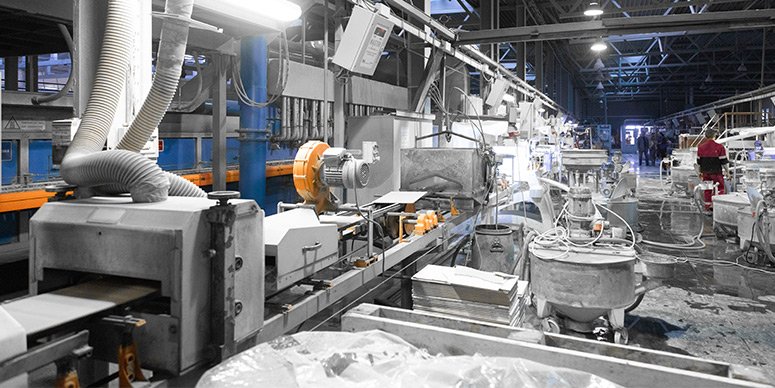
Material innovation lies at the very core of progress in metal forming. While presses, tooling and automation define the mechanics of forming operations, it is the material itself that ultimately determines formability, strength, durability and performance of the finished component. In recent years, metal forming industries—particularly heavy engineering, automotive, railways, power and defence—have witnessed rapid advancements in material science. These innovations are driven by the need for higher strength-to-weight ratios, improved fatigue life, resistance to extreme environments and greater sustainability. As forming processes adapt to these evolving materials, manufacturers are rethinking design philosophies, tooling strategies and production methods.
The Changing Material Landscape in Metal Forming
Traditionally, carbon steels and conventional alloy steels dominated metal forming applications due to their predictable behaviour and ease of processing. However, increasing performance demands, cost pressures and environmental considerations have pushed manufacturers toward more advanced materials. Today’s metal forming landscape includes advanced high-strength steels, microalloyed steels, aluminium alloys, high-performance copper alloys and even emerging hybrid materials.
In heavy engineering applications, where components are subjected to high loads, pressure and temperature variations, materials must offer a delicate balance between strength, toughness and formability. Innovations in metallurgy have made it possible to achieve this balance, enabling the production of complex, high-integrity components without compromising safety or service life.
Advanced High-Strength Steels: Redefining Performance
Advanced High-Strength Steels (AHSS) have emerged as a game-changer in metal forming. These steels combine high tensile strength with improved ductility, allowing manufacturers to reduce thickness while maintaining or enhancing load-bearing capacity. Grades such as dual-phase (DP), transformation-induced plasticity (TRIP) and complex-phase (CP) steels are increasingly used in structural and safety-critical applications.
For heavy engineering, AHSS enable lighter yet stronger components in rail wagons, cranes, pressure vessels and construction machinery. However, forming these materials presents challenges such as higher forming forces, increased springback and tool wear. Innovations in steel chemistry and thermomechanical processing have helped improve their formability, making AHSS more compatible with conventional forming processes.
Microalloyed and HSLA Steels for Large Components
Microalloyed and High-Strength Low-Alloy (HSLA) steels have long been favoured in heavy engineering due to their excellent strength-to-toughness ratio and weldability. Recent advancements in controlled rolling and precipitation strengthening have further enhanced their performance.
These steels allow large forgings, plates and structural components to achieve high mechanical properties without extensive heat treatment. This not only reduces energy consumption but also improves dimensional stability—an important factor in forming large components for power plants, bridges and industrial equipment. Improved consistency in material properties has also made forming operations more predictable and repeatable.
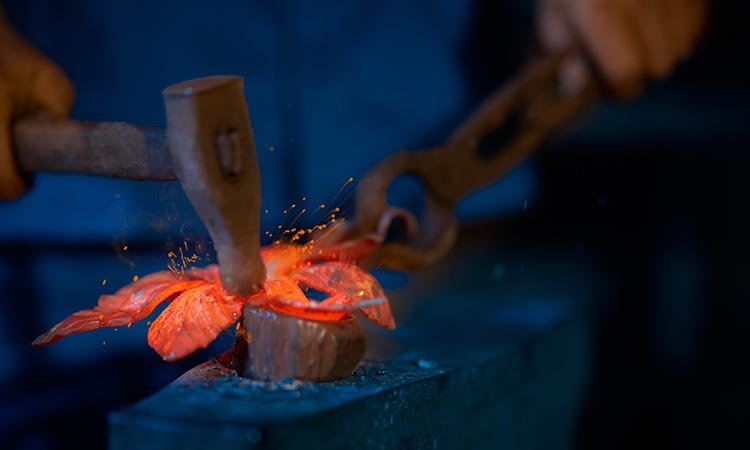

Aluminium Alloys: Lightweighting Beyond Automotive
While aluminium alloys are well established in automotive and aerospace sectors, their adoption in heavy engineering is steadily increasing. Innovations in alloy composition and heat treatment have resulted in aluminium grades with improved strength, corrosion resistance and fatigue life.
In metal forming, newer aluminium alloys exhibit better drawability and reduced risk of cracking, enabling the forming of large panels, enclosures and structural elements. Applications include rail interiors, electrical enclosures, offshore structures and heavy transport systems. Although aluminium requires different forming strategies compared to steel, advancements in lubrication, tooling and process control have made its forming more efficient and economical.
High-Performance Copper and Specialty Alloys
Copper and its alloys continue to play a vital role in power generation, electrical equipment and heavy industrial machinery. Innovations in copper alloys have improved their strength, thermal conductivity and resistance to wear and corrosion. These materials are particularly important in forming components such as busbars, heat exchangers and electrical connectors.
Specialty alloys, including nickel-based and high-temperature alloys, are increasingly used in applications involving extreme heat and corrosive environments. While traditionally considered difficult to form, improvements in alloy design and forming techniques have expanded their applicability in heavy engineering sectors such as power, oil & gas and defence.
Tailored Materials and Thermomechanical Processing
One of the most significant innovations in metal forming materials is the development of tailored materials and controlled processing routes. Thermomechanical processing allows manufacturers to tailor grain size, phase distribution and mechanical properties to specific forming requirements.
Techniques such as tailored blanks, variable thickness plates and functionally graded materials enable optimized material usage, reducing weight and cost while enhancing performance. In heavy engineering, this approach is particularly valuable for large components where different sections experience varying stress levels during service.
Sustainability-Driven Material Innovations
Sustainability is now a major driver of material innovation in metal forming. Steelmakers and alloy producers are developing low-carbon steels, recycled aluminium alloys and energy-efficient production routes to reduce environmental impact. Materials that require less processing energy and offer longer service life contribute directly to sustainability goals.
In metal forming operations, materials with improved formability reduce scrap rates and rework, further enhancing resource efficiency. The use of recycled and circular materials is also gaining acceptance, especially where performance can be maintained without compromise.
Challenges in Forming Advanced Materials
Despite their advantages, advanced materials introduce new challenges in metal forming. Higher strength materials often demand increased forming forces, robust tooling and precise process control. Springback management becomes more critical, and tool wear can increase significantly.
To address these challenges, material suppliers and forming equipment manufacturers are collaborating closely. Innovations in coatings, lubricants and forming simulations complement material advancements, ensuring that the full potential of new materials can be realized on the shop floor.
The Road Ahead: Materials as Enablers of Innovation
The future of metal forming will be increasingly shaped by material innovation. Developments in metallurgy, nanostructured materials and hybrid alloys promise further improvements in strength, durability and formability. As heavy engineering projects become more complex and demanding, materials will play a central role in
enabling reliable and efficient manufacturing.
Ultimately, innovations in materials are not just about making stronger metals—they are about enabling smarter designs, more efficient forming processes and sustainable industrial growth. Manufacturers that understand and adopt these advanced materials effectively will gain a decisive competitive edge in the evolving landscape of metal forming.