




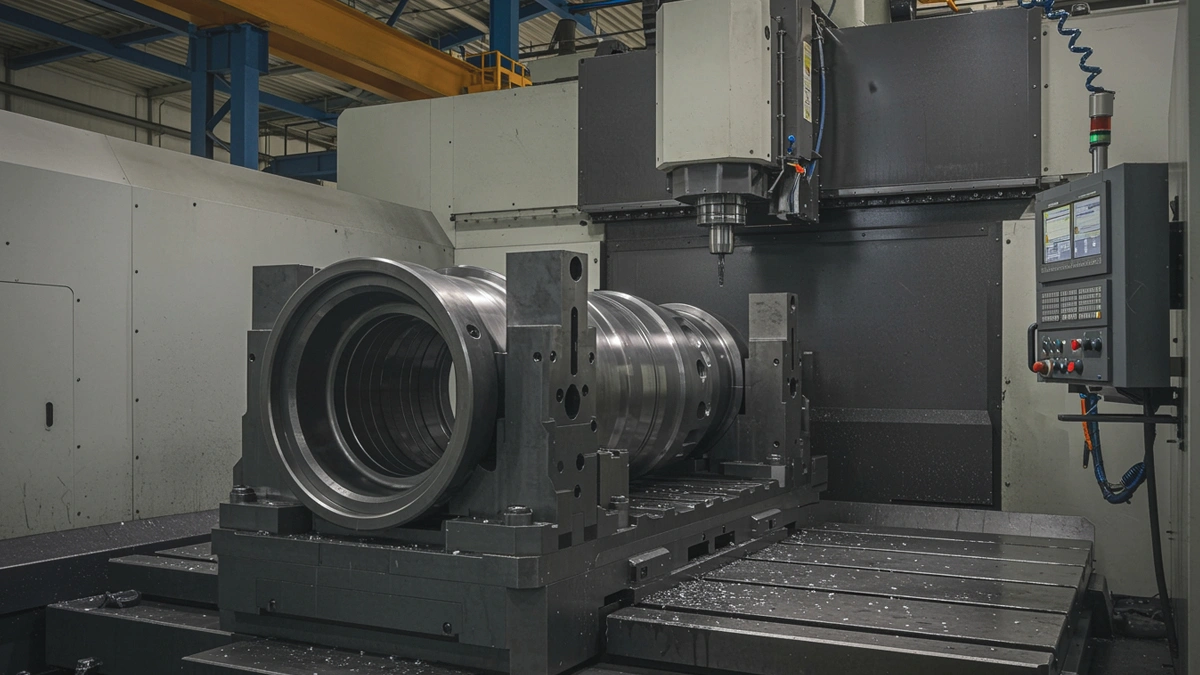
In the vast and demanding world of heavy engineering, where components are massive, tolerances are unforgiving, and productivity is paramount, tooling emerges as a silent yet decisive force. Often operating behind the scenes, tooling is no longer just a support function—it has evolved into a strategic enabler that directly influences quality, efficiency, cost, and competitiveness. From forging dies and cutting tools to fixtures and gauges, tooling defines the very capability of a manufacturing ecosystem.
The Role of Tooling in Heavy Engineering
Heavy engineering encompasses industries such as power generation, mining, railways, shipbuilding, aerospace, and large-scale infrastructure. These sectors deal with high-strength materials, large workpieces, and complex geometries. In such an environment, tooling becomes critical for shaping, machining, assembling, and inspecting components with precision. Tooling ensures repeatability in operations that would otherwise be prone to variability. Whether it is a die used in forging turbine shafts or a fixture holding a large casting during machining, the right tooling guarantees dimensional accuracy and process stability. In essence, tooling acts as the bridge between machine capability and final product quality.
Types of Tooling: A Diverse Ecosystem
A. Forming Tools : These include dies, molds, and punches used in forging, stamping, and casting processes. In heavy engineering, forming tools must withstand extreme loads, temperatures, and wear conditions. Materials such as tool steels and carbide composites are commonly used, often enhanced with surface treatments to improve durability.
B. Cutting Tools: Machining large components requires robust cutting tools capable of handling high material removal rates. Indexable inserts, carbide tools, and coated cutting tools play a vital role in enhancing productivity while maintaining surface finish and dimensional accuracy.
C. Fixtures and Jigs: Fixtures are indispensable in heavy engineering, where workpieces can weigh several tonnes. Custom-designed fixtures ensure proper alignment, rigidity, and accessibility during machining or assembly. Jigs, though less common in CNC environments, are still used in specific drilling and repetitive operations.
D. Inspection Tooling: Gauges, templates, and advanced metrology fixtures are used to verify dimensions and ensure compliance with stringent quality standards. With increasing complexity, inspection tooling is becoming more sophisticated, often integrating digital measurement systems.
Design Considerations: Engineering for Extremes
Tooling design in heavy engineering is a complex task that must account for multiple factors:
- Load-Bearing Capacity: Tools must withstand high forces without deformation.
- Material Compatibility: Tool materials must resist wear, heat, and chemical interactions with workpiece materials.
- Precision and Stability: Maintaining tight tolerances over large dimensions is a significant challenge.
- Ease of Handling: Given the size and weight of tools, ergonomic and safety considerations are critical.
- Lifecycle Cost: Durability and maintainability are key to reducing long-term costs.
Advanced design tools such as simulation and finite element analysis (FEA) are widely used to optimize tool geometry, predict stress distribution, and enhance performance.
Innovations Transforming Tooling
- Advanced Materials and Coatings : The use of high-performance materials such as carbide, ceramics, and superalloys has significantly improved tool life and performance. Coatings like TiAlN, DLC, and CVD/PVD layers enhance wear resistance, reduce friction, and enable high-speed machining.
- Additive Manufacturing : 3D printing is revolutionizing tooling by enabling the creation of complex geometries that were previously impossible. Conformal cooling channels in molds and lightweight yet strong fixture designs are examples of how additive manufacturing is enhancing tooling efficiency.
- Smart Tooling : The integration of sensors into tooling systems is enabling real-time monitoring of parameters such as temperature, vibration, and wear. This “smart tooling” approach supports predictive maintenance and reduces unplanned downtime.
- Modular Tooling Systems : Modularity is gaining traction as it allows for flexibility and faster changeovers. Interchangeable components enable manufacturers to adapt to different part configurations without redesigning entire tools.
Automation and Digital Integration
Tooling is increasingly becoming an integral part of automated manufacturing systems. Tool management systems track tool usage, monitor wear, and ensure timely replacement, thereby optimizing productivity. Digital twins of tooling systems allow engineers to simulate operations, predict performance, and identify potential issues before physical implementation. Integration with CNC machines and manufacturing execution systems (MES) ensures seamless communication and coordination across the production floor. Robotics further enhances the role of tooling by enabling automated tool changes, handling heavy fixtures, and improving safety in hazardous environments.
Applications Across Heavy Engineering
- Power Generation : Tooling is critical in the production of turbines, generators, and boilers. Precision tools ensure the accurate machining of large components such as rotor shafts and casings.
- Railways : From wheelsets to bogies and couplers, tooling ensures the consistent production of components that must withstand dynamic loads and harsh operating conditions.
- Shipbuilding : Large fixtures and specialized tools are used to fabricate and assemble massive structures, ensuring alignment and structural integrity.
- Mining and Construction Equipment : Heavy-duty tooling is required to manufacture components like excavator arms, buckets, and gear systems, which operate under extreme stress and wear.
Challenges in Tooling for Heavy Engineering
Despite its importance, tooling in heavy engineering faces several challenges:
- High Initial Investment: Designing and manufacturing large, complex tools requires significant capital.
- Maintenance and Wear: Tools operating under extreme conditions are subject to rapid wear and require regular maintenance.
- Customization Needs: Each application often requires bespoke tooling, limiting standardization.
- Skill Dependency: Designing and maintaining advanced tooling demands specialized expertise.
Sustainability and Efficiency
Sustainability is becoming a key consideration in tooling strategies. Longer tool life, reconditioning, and recycling of tool materials contribute to reduced environmental impact. Efficient tooling design also minimizes material waste and energy consumption during manufacturing processes.
The Road Ahead
As heavy engineering moves toward greater digitalization and automation, tooling will continue to evolve as a strategic asset. The convergence of AI, advanced materials, and smart manufacturing technologies will redefine tooling capabilities, enabling higher productivity, improved quality, and reduced costs. Collaborative approaches between tool manufacturers, machine builders, and end-users will further enhance innovation, ensuring that tooling solutions are aligned with evolving industry needs.
Conclusion
Tooling is no longer just an accessory to manufacturing—it is a cornerstone of capability in heavy engineering. Its influence extends across every stage of production, from shaping raw materials to ensuring final quality. By embracing innovation, automation, and strategic thinking, tooling is transforming into a powerful enabler that drives efficiency, precision, and competitiveness in the most demanding industrial environments.